ERIK AND LYLE: The Menendez Brothers
November 17, 2024 · Cory
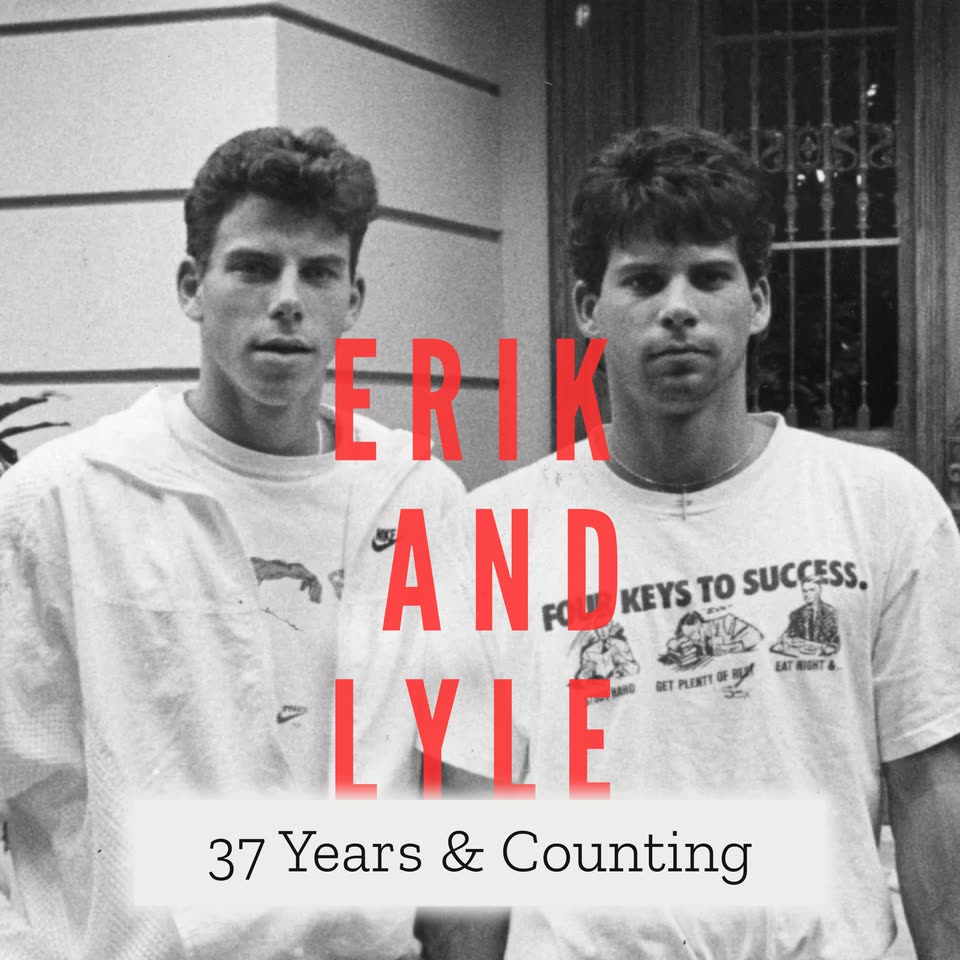
The Menendez brothers, Lyle and Erik, have been in prison for over 35 years. They were convicted in 1996 for the 1989 murders of their parents and sentenced to life in prison without the possibility of parole. This is their story.
Follow this case Court dates, rulings and arrests by email, each checked against the article that reports it.
Read the full transcript (34 sections · tap any line to jump the player there)
Transcribed from the recording by faster-whisper (medium.en), primed with the names in the case and checked for their spelling. Wording may contain minor errors.
0:02 As I went into the room, I just started firing. It's a story that I think really captured the public imagination. Makes you think about uncomfortable things. About wealth and family. And the dark side of human nature. A shot in the face while she was trying to crawl away. It was brutal. The brutality of the scene just made everyone think from the beginning this wasn't just some simple burglary. It was something more. 15 shots. At close range. Kitty being shot while she was already down. It all points to a deep-seated rage. Yeah, it sounds personal. So if it wasn't random like that, who would want Jose and Kitty dead? What were some of the initial theories that the police were looking into? Well, Jose was the CEO, right? So LIVE Entertainment was the name of the company. And so investigators first thought, oh,
1:38 maybe this was organized crime. These sorts of killings, especially in the 80s, weren't uncommon in that world. Right, given the ruthlessness of the crime. But then the investigation took a turn. It did. The sons, Lyle and Erik, they enter the picture. Their actions start raising red flags. Yeah, they weren't exactly acting like grieving sons in the months following the murders. Instead of mourning, Lyle and Erik went on this like lavish spending spree, spending hundreds of thousands of dollars,
2:08 because they bought a restaurant, a tennis coach, a Porsche, a condo, a tennis coach. It doesn't really screen grieving sons, does it? No. It's more like they were celebrating a newfound freedom, which of course made investigators suspicious. For sure. This behavior contradicted the image of heartbroken sons. Instead, it suggests maybe a different motive. Greed. They stood to gain a lot for their parents' death. So we have a potential motive. Now, the sons are at the center of the investigation, but it gets even more complicated.
2:38 When we factor in their eventual confessions. Tell me about that. How did the brothers end up admitting to the murders? So, it all unfolded during Erik's therapy sessions with a Dr. L. Jerome Oziel. It appears that Erik was overwhelmed by guilt and confessed to the killings. Lyle found out about this and became concerned. Concerned about what? Concerned about doctor-patient confidentiality. He actually threatened Dr. Oziel. Tried to prevent the confession from being revealed, but there is a twist. Dr. Oziel's mistress.
3:08 Judalon Smyth had been secretly recording the sessions. Wow. Talk about a tangled web. So Smyth has these recordings of Erik's confession and Lyle's threats. What did she do with those tapes? Well, after having a falling out with Dr. Oziel, Smyth took the tapes to the police. They became key evidence in the case, leading to the brothers' arrest. Wow. So the confessions are out in the open. Now things really start to heat up. What happened once the brothers were arrested and the trials began? Oh, the trials were a media sensation. You have to remember, this was the late 80s.
3:38 And early 90s. And the public was glued to their TVs. Everyone was fascinated by this drama unfolding in the courtroom. It really does seem like the perfect storm. A wealthy family. A gruesome crime. And now the sons confessing but claiming self-defense. Yeah. So what exactly was the defense's argument? The brothers claimed they acted in self-defense. They alleged years of abuse from their father, Jose. Physical, emotional, and sexual abuse. They said it was a terrifying home life. Right, and Erik's testimony in particular.
4:08 Was quite detailed. What did he claim happened? Yes, Erik gave graphic accounts of sexual abuse. And he claimed Jose threatened to kill him, if he ever told anyone. And the defense argued that this constant fear, this feeling of being trapped, led them to believe that their only option was to kill their parents. So the defense is arguing that the brothers were driven to murder. By years of abuse and a fear for their lives. What did the prosecution have to say about that? How did they counter that narrative?
4:38 Erik and Lyle Menendez claims were either fabricated or exaggerated to gain sympathy. They really focused on the greed motive. They pointed to that spending spree, right? As evidence that they weren't driven by fear, but by a desire for money and freedom. Exactly. They argued that Lyle and Erik saw their parents as obstacles to the wealth and freedom that they craved. The prosecution painted them as spoiled, entitled young men willing to kill to get what they wanted. So we have two very different narratives.
5:08 One of abused children driven to a desperate act and another of greedy sons motivated by cold ambition. It must have been difficult for the juries to decide which story to believe. It was and that's exactly what happened in the first trial. The juries were deadlocked, unable to reach a unanimous verdict. Both trials resulted in hung juries. Wow, a hung jury twice. That speaks to how compelling both sides arguments must have been. But this also means the brothers had to face a second trial. They did? Reliving that trauma.
5:38 Facing a new jury. Yes, two separate trials. A grueling experience for everyone involved. And the outcome of that second trial, as you likely know, was very different. Yeah, the second trial was just as emotionally charged as the first. But the judge met a really crucial decision that impacted the defense's case. They placed stricter limitations on the evidence allowed, especially concerning the abuse allegations. So you're saying the defense couldn't fully present their argument. That seems like it would put the brothers at a pretty big disadvantage.
6:08 Strict the evidence. Well, the judge ruled that the defense hadn't really established a strong enough foundation to justify certain types of testimony. This included things like testimony from expert witnesses. Okay, but the psychological effects of abuse and the concept of battered person syndrome. Okay, for those of us who aren't legal experts, can you explain what better person syndrome is and why it was relevant to this case? Sure, battered person syndrome. It's a recognized psychological condition that can develop in individuals who experienced
6:38 prolonged abuse, basically describes a pattern of learned helplessness and fear that can lead someone to believe that violence is the only way to escape a dangerous situation. So the defense was trying to argue that Lyle and Erik, due to years of alleged abuse, believed that killing their parents was the only way to protect themselves. Exactly, but they weren't allowed to really fully present the evidence to support those abuse claims and explain the psychological impact of that abuse. So it became much harder for the defense to really
7:08 convince the jury that the brothers acted out of genuine fear for their lives. It sounds like a major blow to the defense's case. Did the prosecution offer any counter arguments to the abuse claims? Or do they just focus on the greed angle? The prosecution definitely addressed the abuse allegations. They highlighted inconsistencies in the brothers accounts, and emphasized the lack of physical evidence to support their claims. They pointed out that if the brothers truly feared for their lives, they had ample opportunity to escape. They were adults, they had resources, they
7:38 could have left the house, gone to the police. They argued that the murders were premeditated acts driven by greed, not a desperate act of self defense. And this time the jury agreed with the prosecution? Yes. Both brothers were found guilty of first degree murder, and sentenced to life in prison without parole. The second jury seemed less swayed by the emotional testimonies, and more convinced by the prosecution's arguments. Okay, so now we have the convictions. But I'm guessing the story doesn't end there.
8:08 This case has always been more than just a who do it. Even with the guilty verdicts, people still debate whether justice was truly served. Oh, for sure. This case continues to spark debate, because it raises so many questions about family dynamics, the cycle of abuse, and the limits of our legal system. It's a case that stays with you. Even today, people are still captivated by the Menendez brothers. What aspects of this case do you think really contribute to this enduring fascination?
8:38 Beverly Hills, the wealth, the privilege, the image of this perfect family, shattered by this brutal crime it taps into our fascination with lives of the rich and famous, and the dark secrets that often lurk beneath the surface like a real life soap opera, betrayal, greed and violence. Exactly. And then you have the psychological element, the abuse allegations, the brothers complex relationship with their father, the conflicting narratives presented in court, it all makes us try to understand the motivations behind these murders.
9:08 It's like a puzzle with missing pieces. We're drawn to try and solve it, even if there are no easy answers. And let's not forget the legal drama. Two trials, hung juries, dramatic courtroom testimonies, all this media scrutiny, all the elements of a gripping true crime story. It certainly is. It makes us examine our legal system to think about how we define justice and to question whether a courtroom can ever truly capture the complexities of human behavior. Right. The case also sparked a nationwide conversation about abuse, didn't it?
9:38 It forced people to acknowledge that these horrors can happen, even in seemingly perfect families. Absolutely. The Menendez brothers case became a catalyst for discussions about domestic violence, child abuse, and the long term psychological effects of trauma. It challenged the notion that wealth and privilege somehow offer protection from these dark realities. So we have these broader societal implications. But the brothers themselves remained in the public consciousness. What happened to Lyle and Erik after their convictions?
10:08 Did they just disappear into the prison system? Not exactly. They were initially housed in separate prisons, which must have been incredibly difficult after years of relying on each other. But in 2018, they were reunited in the same housing unit. After nearly 22 years apart, that must have been an emotional reunion. Reports suggest that it was and since then they've both participated in rehabilitation programs. Lyle has even earned a bachelor's degree in sociology. But I thought they were sentenced to life without parole. Does that mean there's no chance they'll ever be released? Well, that's where things get interesting. There's a resentencing trial scheduled for December 11th, 2024, which has reignited public interest in this case. Wow. So 35 years after the murders, there's a possibility they could walk free. What will this resentencing trial focus on? What are the key issues that will be debated? The resentencing will likely delve back into the evidence of abuse. Remember the judge in the second trial.
11:08 So the judge could potentially consider this new evidence and decide to reduce their sentences. It's possible the judge will have to weigh the severity of the crimes against the potential mitigating factors like the abuse allegations and the brothers' behavior since their convictions. It's a complex decision with huge implications. From your perspective, having delved so deep into this case, what are some of the less known details that really stood out to you? What might surprise our listeners? One thing that really struck me was just how calculated the brothers' actions were immediately after the murders. They didn't just panic and flee. They collected the spent shotgun shells, disposed of their bloody clothes and shoes. They even tried to create an alibi by going to the movies. They bought movie tickets, trying to make it seem like they were out when the murders occurred. Right. That didn't quite go as planned.
12:08 No. The tickets were timestamped, and the brothers quickly realized their alibi wouldn't hold up, so they discarded the tickets, which really suggests premeditation. A detail that doesn't align with. The image of terrified young men acting impulsively out of fear. It certainly raises questions about their claims of self-defense. What other details caught your attention? Lyle's behavior prior to the murders offers some interesting insights. He was suspended from Princeton for plagiarism, and his actions in the dorms were pretty concerning.
12:38 It sounds like a pattern of disregard for rules and boundaries, even a sense of entitlement. Exactly. And the sense of entitlement, coupled with a history of pushing boundaries, might give us a glimpse into a state of mind leading up to the murders. So we see these hints of entitlement and rule-breaking in Lyle's past. What about Erik? Were there any warning signs or red flags in his behavior? One really chilling detail. Is a screenplay that Erik co-wrote with a friend, the screenplay titled Friends, tells the story of a young man who murders his parents. To inherit their wealth. Oh, that's incredibly eerie considering what ultimately transpired. It is. While I can't definitively say, this screenplay was a direct reflection of Erik's thoughts or intentions. It does raise questions about whether those dark ideas were already there long before the murders.
13:38 Right. And it speaks to the complexities of human psychology. The way that trauma, resentment, and maybe even ambition can all come together to create a really dangerous and tragic outcome. You mentioned we have some snippets from another true crime podcast that covered the Menendez brothers. Did that podcast offer any alternative perspectives or interpretations of the case? It did. One theory presented in the podcast focused on Lyle's relationship with his father and the immense pressure he felt to live up to Jose's expectations. The podcast suggested that Lyle's suspension from Princeton created a rift between them, possibly fueling resentment and a need to prove himself.
14:17 So instead of just being motivated by greed, Lyle might have also been driven by a desire to finally win against his father, even if it meant resorting to violence. That's the theory. The podcast also explored the possibility that Lyle manipulated Erik, exploiting his younger brother's vulnerability independence, to get him involved in the plan. That adds another layer of complexity to the case. It makes you wonder about the dynamics between the brothers and who is truly the driving force behind the murders.
14:46 Exactly. Were they both equally culpable? Was Lyle the mastermind? With Erik as a reluctant participant? These are questions that continue to be debated, even after all these years. This deep dive has been so insightful, but I have to admit, I'm still grappling with the fact that these two men, convicted of such a brutal crime, could potentially walk free. Does that possibility sit comfortably with you, given what we know about the case? That's a tough one. It's a question I think everyone grapples with. When they really look at this case, it forces us to confront some uncomfortable truths about our justice system and our capacity for mercy.
15:22 It makes you question what justice truly means, especially in a case as complex and emotionally charged as this one. It absolutely does. And it's a question that will be at the forefront of everyone's minds as we approach the resentencing trial in December. It feels like this case has been in the spotlight for decades. And now with this resentencing trial, it's back in the headlines. Why do you think the Menendez brothers' case continues to resonate with people after all this time?
15:49 Well, I think the case touches on so many universal themes. Family secrets, wealth and privilege, the complexities of abuse, and the search for justice. It's a story that I think forces us to confront some really uncomfortable truths about ourselves and the society that we live in. And it's a story that, as we've seen, doesn't offer easy answers. Even after all the evidence and the testimonies, the verdicts, there's still so much we don't know. Right, I think that's part of what keeps people coming back to it, trying to piece together the puzzle, to understand what really happened within that family, and to decide for themselves whether justice was served.
16:24 It's a reminder that truth can be really elusive, especially in cases where emotions run so high, and the stakes are so significant. Definitely. The Menendez brothers' case is a testament to the power of narrative, how different perspectives and interpretations can really shape our understanding of events. It challenges us to think critically, to question what we believe, and to recognize that there's often more to the story that meets the eye. And it's a story that continues to unfold, this upcoming resentencing trial. It's sure to bring new perspectives, and potentially even new evidence to light.
16:58 It'll be really fascinating to see how the legal system grapples with this case decades later, taking into consideration the evolving societal views on abuse, and the complexities of family dynamics. Yeah, it's going to be a crucial moment, not just for the Menendez brothers, but for our understanding of how we as a society define justice and accountability in these cases where the lines between victim and perpetrator are so blurred. This deep dive has been incredibly eye-opening. It's made me think about this case in ways I hadn't before, and it's definitely raised more questions than it's answered.
17:31 As we wrap up, is there anything else about the Menendez brothers, or this case, that you think is important for our listeners to consider? I think the most important takeaway here is that this case, while fascinating and dramatic, represents a real life tragedy. Two parents were brutally murdered. Two sons are now facing the consequences of their actions. Regardless of where you stand on the issue of guilt or innocence, it's crucial to remember the human cost of this tragedy.
17:58 Yeah, that's a powerful reminder. It's easy to get caught up in the legal arguments and the psychological theories, but at the heart of it all is a profound loss of life and the lasting trauma experienced by everyone involved. Exactly. And as we continue to engage with this case, whether it's through the upcoming resentencing trial or future discussions, it's essential to approach it with empathy and understanding and a commitment to seeking the truth, however complex and elusive it may be.
18:25 Well said. I think that's a perfect note to end on. This has been an incredibly insightful deep dive into the Menendez brothers case. We explored the crime, the trials, the complex family dynamics, the abuse allegations, and the enduring fascination with this case. We examined the legal arguments, the psychological theories, and the broader societal implications, leaving no stone unturned in our pursuit of understanding. And now we're all left to ponder the questions that this case raises, questions about justice, mercy, and the complexities of human nature.
18:58 As the resentencing trial gets closer, we'll all be watching closely, eager to see how the story continues to unfold and what it reveals about our evolving views on crime and punishment and the enduring power of family secrets. To our listeners, thank you for joining us on this deep dive into the Menendez brothers case. We encourage you to continue exploring this case, to delve deeper into the source material, and to form your own conclusions about this captivating and controversial piece of legal history.
19:24 We'll be back next week with another deep dive into a fascinating true crime case. Until then, stay curious, stay informed, and as always, stay safe.